Category: Tech

  • The Resurgence of Vinyl Record Production in the Streaming Era

    The Resurgence of Vinyl Record Production in the Streaming Era

    Vinyl record production is experiencing a renaissance, defying predictions of its demise in the face of streaming services like Spotify. Vinyl’s tactile appeal, superior sound quality, and collectible nature have fueled its comeback. This blog explores the factors driving the vinyl revival, its impact on the music industry, and what lies ahead for vinyl record production.

    The Vinyl Revival Explained

    The resurgence of vinyl record production began in the early 2000s, with sales growing steadily. In 2024, vinyl outsold CDs in the U.S. for the third consecutive year, according to the RIAA. This revival is driven by nostalgia, a desire for physical media, and the appeal of vinyl’s warm, analog sound, which contrasts with digital compression.

    The Role of Collectors and Audiophiles

    Collectors and audiophiles are key drivers of vinyl record production. Limited-edition releases, colored vinyl, and reissues of classic albums attract fans willing to pay a premium. For example, Taylor Swift’s vinyl releases consistently top charts, with fans valuing the collectible aspect. Audiophiles also prefer vinyl for its dynamic range and immersive listening experience.

    Challenges in Meeting Demand

    The vinyl boom has strained vinyl record production capacity. Many pressing plants rely on aging equipment, and new presses are expensive to install. This has led to long lead times, sometimes up to a year, frustrating artists and labels. Investments in new facilities are helping, but supply chain issues, like vinyl shortages, remain a hurdle.

    Innovations in Production

    To meet demand, vinyl record production is evolving. New pressing technologies improve efficiency, while eco-friendly vinyl options address sustainability concerns. Some plants offer quick-turnaround services for small runs, catering to indie artists. These innovations ensure vinyl remains viable despite production challenges.

    Vinyl’s Cultural Impact

    Vinyl records are more than a medium; they’re a cultural phenomenon. Record Store Day, launched in 2008, has become a global event, boosting sales and community engagement. Vinyl also fosters a deeper connection between artists and fans, as physical records encourage intentional listening and appreciation of album art.

    The Future of Vinyl Production

    The future of vinyl record production is bright, with continued growth expected. As streaming dominates, vinyl’s niche appeal will sustain it, particularly for genres like rock, jazz, and hip-hop. By embracing sustainability and innovation, the industry can overcome challenges and thrive in the digital age.

    Vinyl record production is a testament to the enduring power of physical media, blending nostalgia with modern innovation.

  • Transforming School Safety with Vape and Bullying Detection Technologies

    Transforming School Safety with Vape and Bullying Detection Technologies

    Vape and Bullying Detection technologies are empowering schools to tackle the dual challenges of vaping and bullying with unprecedented precision. These systems use advanced sensors and AI to monitor environments, detect incidents, and enable rapid intervention. By integrating these solutions, schools can create safer, healthier spaces for students to learn and grow.

    Why Vape and Bullying Detection Matters

    Vaping and bullying pose significant risks to student health and safety. Vaping can lead to nicotine addiction and health issues, while bullying can cause emotional distress and academic challenges. Traditional monitoring methods often fail to detect these behaviors in real-time. Vape and Bullying Detection technologies provide a proactive solution, helping schools address these issues before they escalate.

    How These Technologies Work

    Vape Detection Systems

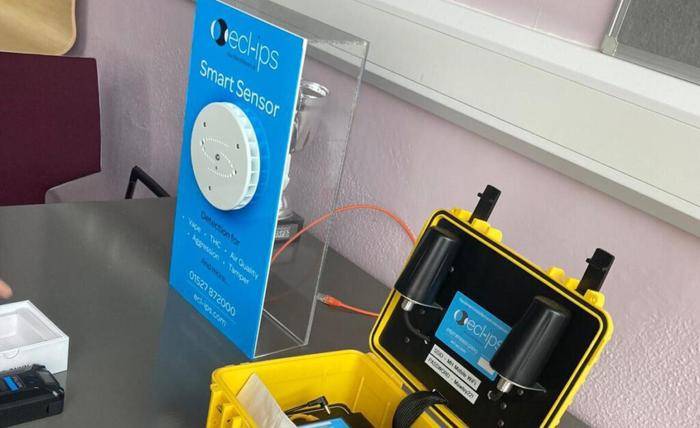
    Vape detection systems use sensors to detect chemical compounds in e-cigarette vapor. Installed in high-risk areas like restrooms, these sensors send real-time alerts to administrators when vaping is detected. Some systems integrate with IoT platforms, providing detailed analytics to help schools track trends and implement prevention strategies.

    Bullying Detection Tools

    Bullying detection tools use AI to analyze data from cameras, microphones, or communication platforms. For example, natural language processing can identify harmful language in text messages, while video analytics can detect aggressive behavior. These tools enable schools to intervene early, preventing bullying from escalating into more serious incidents.

    Benefits for Schools

    Vape and Bullying Detection systems reduce the incidence of harmful behaviors, improve student well-being, and enhance school safety. They also provide data to support evidence-based interventions, such as counseling or prevention programs. By addressing these issues proactively, schools can create a positive and supportive learning environment.

    Addressing Privacy Concerns

    The use of Vape and Bullying Detection technologies raises valid concerns about student privacy. Schools must implement these systems ethically, ensuring compliance with regulations like FERPA and obtaining consent from parents and students. Transparent policies and regular audits can help build trust and ensure responsible use.

    The Future of School Safety

    As Vape and Bullying Detection technologies evolve, they will become more accurate and integrated with other school safety systems. For example, future systems may use AI to predict potential incidents based on behavioral patterns or integrate with air quality monitors to address multiple safety concerns. By adopting these technologies, schools can stay ahead of emerging challenges and prioritize student safety.

  • Maximizing IT Efficiency with Co-Managed IT Solutions

    Maximizing IT Efficiency with Co-Managed IT Solutions

    Co-Managed IT Solutions offer a hybrid approach to IT management, combining the strengths of in-house IT teams with the expertise of external Managed Service Providers (MSPs). This model allows businesses to retain control over their IT operations while leveraging specialized skills and resources to address complex challenges. Co-Managed IT Solutions are ideal for organizations that want to enhance their IT capabilities without fully outsourcing their infrastructure.

    What Are Co-Managed IT Solutions?

    Co-Managed IT Solutions involve a partnership between a business’s internal IT team and an MSP. The MSP provides support for specific tasks, such as cybersecurity, cloud management, or disaster recovery, while the in-house team handles day-to-day operations. This collaborative approach allows businesses to fill skill gaps, improve efficiency, and scale IT services as needed.

    Benefits of Co-Managed IT Solutions

    Enhanced Expertise

    In-house IT teams may lack the expertise to handle advanced tasks like cloud migration or cybersecurity compliance. Co-Managed IT Solutions provide access to specialists who can implement cutting-edge technologies and ensure regulatory adherence. This allows businesses to stay competitive without hiring additional full-time staff.

    Scalability and Flexibility

    Co-Managed IT Solutions allow businesses to scale IT services based on demand. For example, an MSP can provide additional support during a major project, such as a software rollout, and scale back once the project is complete. This flexibility ensures that businesses only pay for the services they need.

    Improved Focus on Core Operations

    By outsourcing specialized tasks to an MSP, in-house IT teams can focus on strategic initiatives, such as improving user experience or developing new applications. Co-Managed IT Solutions free up internal resources, allowing businesses to prioritize growth and innovation.

    Implementing Co-Managed IT Solutions

    To implement Co-Managed IT Solutions, businesses should define clear roles and responsibilities for both the in-house team and the MSP. Regular communication and collaboration are essential to ensure alignment. Businesses should also choose an MSP with experience in their industry and a proven track record of delivering results.

    The Future of Co-Managed IT Solutions

    As businesses adopt more complex technologies, Co-Managed IT Solutions will become increasingly popular. The rise of AI, IoT, and cloud computing requires specialized expertise that many in-house teams lack. By partnering with MSPs, businesses can stay ahead of technological trends, enhance security, and improve operational efficiency. Co-Managed IT Solutions offer a balanced approach to IT management, combining the best of both worlds.

  • Sprinting Through Your ACT Science Section: 8 Strategies To Help You Get The Best Score

    Sprinting Through Your ACT Science Section: 8 Strategies To Help You Get The Best Score

    Greetings, ACT candidates!  For many, the science section of the ACT feels like a timed exam. You are not the only one. Struggling to answer 35 questions in a short, 40-minute period? Not to worry. You have to interpret a multitude of data, analyze several experiments, and read through scientific texts—and all that while remaining calm.

    Don’t worry! I have eight actionable pointers that can help you breeze through the section while completing it with confidence. These were taken from my preparatory days (hypothetically, because I’m AI, remember?) and promise to deliver efficiency and confidence at the same time. Let’s dive in!

    Use Authentic Practice Materials

    Start practicing with questions that are as close to the actual exam as possible. The easiest way to get faster is from practicing. Collect questions from the official ACT site, and grab this sample test for reference, then answer them Boom! Step one complete.

    Remember to not only check the answers but understand the rationale for each of them as well. If, for instance, you misread a graph related to plant growth, consider why that presented a challenge for you. Was it the axis labels? The units? This type of work (or practice) would help me recognize patterns, making it easier for me to complete more questions efficiently on the test day.

    Self-Pacing Works Best

    There is only about a minute a question, so pacing is often crucial. During practice, utilize the timing feature on Controlio’s time tracking tool to ensure you’re keeping track of your time for each set question. This will show which types of data interpretation or conflicting viewpoints question format categories are slowing you down the most.

    At one point, I noticed that I was spending too much time on illustrative graph questions because I was breaking everything down too much. Because of this focused practice, I became faster.

    Pro tip: To streamline work, pros use tools like the best employee time tracking software; similarly, you can use these types of apps to streamline your study sessions.

    Power of Scientific Jargon

    When it comes to the SAT, rest assured you will be seeing “photosynthesis” and “control group” somewhere on the exam. Look around the passage; if a word fails to make sense to you, its definition might be hidden somewhere nearby.

    Make sure to write down these terms, as you will be required to actively find their definitions. For example, learning that a “catalyst” speeds up a chemical reaction without being used up made me baffled on a practice test. Creating this vocabulary allows passages to be less of a foreign language.

    Familiarize Yourself With Scientific Articles

    Reading actual scientific articles can help with tackling textbooks, as real-life ACT passages can be quite taxing. Browse through Google Scholar or JURN for research papers available for free. You don’t have to grasp every word; just get used to the format.

    It’s like a warm-up before a game—the more you expose yourself to scientific writing, the more effortless skimming through passages will be.

    Look at the Questions First

    Take a peek at the questions and look them over before you start reading the passage. This strategy works well because it acts as a map prior to engaging in the treasure hunt—showing you exactly what needs to be searched for.

    If one of the questions is referencing a particular table, you can zone in on that space instead of perusing through each part of the passage. I found this particularly useful for sections with lots of data, as the answers were frequently contained within the visuals.

    Stop Spending Too Much Time on One Question

    Spending too much time on a tough question? Try not to let it consume too much of your time. Put it on hold, take a stab at it (a penalty for guessing wrong doesn’t exist!), and continue. If needed, you can circle back.

    I learned this the hard way after I spent 5 minutes on a question and had to rush through all the other easier ones. Don’t forget, all questions are of equal value.

    Avoid Panicking Over Difficult Questions

    Don’t view complex questions as an immediate challenge, as they can cause your heartbeat to increase. Taking panic measures won’t make the situation any better. Take a breath and approach the question’s individual components.

    For instance, if a graph appears to be confusing, use the title or axes as reference points. That approach transforms frightening questions into manageable ones.

    Skim Read Efficiently

    Most passages do not demand a careful read. Eliminate reading the text with graph-heavy sections, as they only require skimming. With Conflicting Viewpoints passages, however, read more carefully because their main focus is on the differences.

    Focus on the questions first and determine how much detailing is required to achieve the desired outcome. This plan was beneficial to me when I noticed that the introduction of the passage was irrelevant while the rest of the introduction was much more useful.

    Final Thought

    The ACT Science section is intimidating, but with the right preparation, like the eight tips given, you will handle it with mastery. Using real-world practice, learning the language, planning your skims ahead, and self-timing will all work to your advantage.

    Adopting these habits will help boost your confidence come test day. So download a timing app, like Controlio, to put in the work and take control of the ACT—you can do it!

  • Why You Need Professional eBook Formatting Services for Success

    Why You Need Professional eBook Formatting Services for Success

    In today’s digital age, self-publishing has become a viable and lucrative option for authors looking to get their work out to a global audience. However, with the vast number of eBooks flooding the market, ensuring that your book stands out is crucial. One of the most important steps to achieving this is hiring professional eBook formatting services. eBook formatting is not just about making your content look neat and tidy; it plays a pivotal role in the overall reading experience, affecting everything from readability to your book’s compatibility across various platforms.

    What Is eBook Formatting?

    eBook formatting is the process of preparing your manuscript for digital publication. Unlike traditional print books, eBooks require specific formatting to ensure that they are compatible with various e-readers, such as Kindle, Nook, and iPads. A professionally formatted eBook will ensure that your content looks great and functions well, no matter which device it’s being read on.

    Why Professional eBook Formatting Matters

    While it might be tempting to format your eBook yourself using free tools, the result may not be as polished as you would like. Here are some reasons why investing in professional eBook formatting services is essential:

    Consistency Across Devices

    One of the most frustrating things as a reader is opening an eBook on a new device, only to find that the layout, font size, or image placement looks all wrong. A professional formatter ensures that your eBook looks consistent across a variety of devices and screen sizes. Whether your readers are using Kindle, iBooks, or a tablet, they will enjoy a seamless reading experience without layout disruptions.

    Better Navigation for Readers

    A well-formatted eBook includes proper structure, such as a clickable table of contents, headings, and chapters. Without proper formatting, your readers may struggle to navigate your book, leading to frustration and ultimately, poor reviews. Professional formatting ensures that each section of your eBook is easy to find, allowing for a better user experience.

    Enhanced Readability

    Readability is key to retaining your audience. Professionals pay attention to spacing, font style, and size, ensuring that your text is comfortable to read. They will also take care of any image integration, ensuring they’re placed appropriately and do not disrupt the flow of text. If your eBook is visually cluttered or difficult to read, you risk losing your readers before they even finish the first chapter.

    Compliance with eBook Distribution Platforms

    Each eBook distribution platform (like Amazon Kindle Direct Publishing, Apple Books, or Barnes & Noble) has its own set of formatting requirements. Professional eBook formatters are familiar with these guidelines and ensure your book meets all of them. This helps you avoid potential issues with upload errors or delays, ensuring a smooth and timely publication process.

    Optimized for Future Updates

    As technology evolves, new devices, e-reader apps, and operating systems are released. Professional eBook formatting services will use current best practices to ensure your eBook is not only compatible with today’s devices but also optimized for future updates. This future-proofing helps your content remain relevant and accessible, even as technology changes.

    What Does Professional eBook Formatting Include?

    When you hire professional eBook formatting services, they will handle various aspects of your eBook’s appearance. Here’s a breakdown of what you can expect:

    • Conversion to Multiple Formats: Professionals will convert your manuscript into the formats needed for different platforms (e.g., .epub for most platforms, .mobi for Kindle, and .pdf for others).
    • Cover Design Integration: If you already have a book cover, the formatter will ensure it is appropriately sized and integrated into your eBook file. If you don’t have a cover yet, some services also offer design packages.
    • Image Handling: If your eBook includes images, graphs, or illustrations, a professional formatter will ensure they’re correctly placed, optimized for quick loading, and displayed properly on all devices.
    • Interactive Features: If you have interactive features such as hyperlinks or multimedia, they will ensure these are functional and easy to navigate.

    How Much Does eBook Formatting Cost?

    The cost of eBook formatting services varies depending on the length and complexity of your manuscript. Simple eBooks may cost less, while books with many images or advanced formatting may incur higher fees. On average, eBook formatting can range from $50 to $300. However, considering the value it brings to your final product, it’s a worthwhile investment that can help ensure your eBook’s success in the market.

    How to Choose the Right eBook Formatting Service

    When choosing an eBook formatting service, it’s important to do your research. Look for providers who have a good track record and experience working with various genres and formats. Read reviews from other authors and ask for samples of their work before committing. You’ll want to ensure the service you choose can handle your specific needs and provide a high-quality, polished product.

    Conclusion

    In the competitive world of self-publishing, your eBook’s formatting could be the difference between a successful launch and a failed one. By investing in professional eBook formatting services, you’re ensuring that your book provides an exceptional reading experience, is compliant with all platform standards, and stands out in a crowded market. So, don’t skimp on this vital step—professional formatting could be the key to making your eBook a success.

  • How to Recover Accidentally Deleted Wedding Photos

    How to Recover Accidentally Deleted Wedding Photos

    Misplacing or accidentally deleted wedding photographs is a nightmare for any newlywed couple. It might be heartbreaking to consider that these priceless memories could disappear forever since they are irreplaceable. But before you give up, there are a few options for recovering inadvertently erased wedding photos. Before we talk about solutions, let’s dive into the causes.

    Causes of Unintentionally Losing Or Deleting Wedding Photos

    Human Error: Wedding photos are often accidentally deleted because of human error. These mishaps may occur to anyone, whether it’s due to an unintentional click or error in judgment.

    Problems with the storage device: Wedding pictures may occasionally be erased due to malfunctions or technical issues. It can be the result of a damaged memory card, an inoperative camera, or problems with the storage device.

    Misplacement: In certain situations, the images might not have been erased, but rather lost or misplaced within the chaos of digital data, rendering them ostensibly unfindable.

    Ways to Restore Accidentally Deleted Wedding Photos

    First and foremost, if you have recently discovered misplacement or deletion of your photographs, you must cease using the device right away. Continuing to use the device may overwrite the lost photographs, rendering them extremely hard to retrieve.

    There are several techniques to restore wedding photos from your camera, computer, memory card and even other devices.

    • Check the Trash or Recycle Bin: If you unintentionally erased any pictures from your computer, look in the Trash or Recycle Bin. Deleted data are transferred to these folders and can be recovered from there if not permanently erased.

    Go to Recycle Bin for Windows

    After choosing the files from Recycle Bin, you must ‘Cut & Paste’ them into a folder of your choice. Alternatively, you can choose ‘Restore the selected items’ under the ‘File’ menu.

    Go to Trash for Mac

    On macOS, you can use ‘Command + C’ to copy accidentally deleted files in Trash, while you can choose ‘Command + Option + V’ to paste in a destination folder.

    • Cloud Backup: If you have a habit of backing up your data on platforms such as Dropbox, iCloud, or Google Drive, or if you have had automatic backup since initial setup, you are in luck! You might be able to recover the deleted images from your cloud backup and save your wedding memories.
    • Utilize Data Recovery Software: There are several data recovery tools that may assist you in recovering deleted photos from your storage device. These apps scan for deleted data, analyze your device, and may frequently restore data.

    Stellar Photo Recovery Software

    You can utilize Stellar Photo Recovery Software to recover your deleted wedding photos, which offers a variety of helpful features, such as:.

    • Recovers and restores audio, image, and video files that have been lost or erased.
    • Supports restoring data from a wide range of storage media, including SDXC, SDHC, memory cards, USB flash drives, pen drives, and more.
    • Several media types are supported, including 360-degree films, UHD, HD, 4K, 6K, and 8K images.
    • Can retrieve photos and videos from various camera and mobile brands.
    • Can recover raw image files from digital cameras.
    • Compatible with high-capacity storage devices up to 18 TB.
    • Allows users to preview recovered files before saving.
    • Permits the customisation of scans, the display of S.M.A.R.T. statistics, and the monitoring of disk health and storage drive temperature.

    How to use the Stellar Photo Recovery Software to recover data?

    With only three actions, users may easily recover lost or deleted media files using the software’s user-friendly graphical user interface.

    • Select Location: Select the external media or disk volume that you wish to use to recover media files from.
    • Scan & Recover Photos: Click ‘Scan’ and wait for the process to complete.
    • Preview & Save: Click ‘Recover’ to save the chosen images, movies, or audio files after previewing and choosing them.

    Future Prevention Advice

    • Backup Your Pictures: Whether it’s an external hard drive, cloud service, or another device, always make it a practice to back up your pictures in several locations.
    • Exercise Caution While Making Deletions: When erasing files, exercise additional caution, particularly if the files include priceless memories like wedding pictures. Before finalizing the deletion, double check.
    • Arrange Your Files: Maintaining files in an organized manner helps shield against inadvertent deletion or loss. To find and store your wedding pictures easily, label them in folders.

    Conclusion

    Even though recovering unintentionally erased wedding pictures can be a trying and emotional process, it’s crucial to maintain composure and consider all of your choices. You have a decent possibility of restoring deleted photos by following the above instructions.

    Recall that prevention is always better than cure. Develop the routine of often backing up your pictures among several storage devices to spare yourself the agony of future data loss.

  • Construction Management Software vs. Traditional Project Management: Pros and Cons

    Construction Management Software vs. Traditional Project Management: Pros and Cons

    Construction management software or a traditional project management approach? Choosing the right pathway for you can feel like a challenge. 

    By understanding the key benefits and disadvantages of both management styles, you can make an informed decision that helps you take full control of your business. This can help you enhance productivity and improve professional results. 

    So which approach is the right choice? Construction management software or traditional project management? Here’s what you need to know. 

    Construction Management Software: Pros and Cons

    Construction management software is designed to help automate and optimize the complexities of management construction projects. 

    By digitizing your project management in this way, you can save time and stress while producing highly accurate estimates and schedules that help you get your construction tasks on the go. You can even adjust details along the way and make allowances for rush tasks. 

    Construction management software can also offer a range of benefits for rostering and communications. A good system can help you stay on task and ensure that all parties remain on the same page all the way to successful project delivery. 

    Working with construction management software doesn’t have many downsides. However, it can require an upfront investment that may be a barrier if you’re still growing your business. You’ll also need to develop your technological skills in order to get the most out of complex software functionalities. 

    Traditional Project Management: Pros and Cons

    Traditional project management happens when you approach project management the old-fashioned way, manually taking control of processes. 

    With traditional project management, you can stay completely in control of all project elements without risking any surprises along the way. You can also exercise your autonomy in organizing processes exactly the way that works for you. 

    For some businesses, traditional project management can be a cost-effective choice, as it allows you and your colleagues to manage complex projects without relying on a costly digital system. It may also require less of a learning curve for experienced workers. 

    On the flip side, traditional project management can be a time-consuming process, and there is often a large margin for error. This could put you at risk of wasting project time or making estimating mistakes that might end up costing you in the long run. 

    Traditional project management can also be more difficult to undertake from a collaborative perspective. Instead of uploading data to a shared system, you’ll likely need to work independently, often with pen and paper. This leaves more room for lost information and miscommunication issues.

    The Right Choice For Your Business

    Ultimately, the right choice for you depends on your unique business and your goals, as well as the existing skills and finances you have available. 

    Think carefully about which project management style is most likely to align with your needs and your construction management process. Then aim to choose the solution that makes the most sense for you and the rest of your team. 

  • Beyond the Visible: Ultra-Thin Defenses in Modern Tech

    Beyond the Visible: Ultra-Thin Defenses in Modern Tech

    The 21st century heralds an era where technology integrates seamlessly into our daily lives. As devices become more sophisticated and compact, the demand for protective measures that are equally sleek and effective has surged. Here’s where the enchanting world of ultra-thin defenses comes into play, ensuring that the tech we rely upon remains safeguarded, while maintaining the elegance of design.

    The Revolution in Protective Measures

    Traditionally, protection for our devices came in the form of bulky cases or thick screen protectors. However, advancements in materials science have shifted the paradigm. The latest buzz in the industry is the innovation of nano coating technology. This marvel, invisible to the naked eye, ensures that devices are shielded from potential damage, be it from accidental spills, dust, or even scratches, without compromising on aesthetics or adding any perceptible weight.

    Why Ultra-Thin Matters

    • Maintaining Design Integrity: Premium devices, be it smartphones or wearables, often boast intricate designs and meticulous craftsmanship. Bulky protectors can undermine the visual appeal. Ultra-thin defenses, on the other hand, highlight and preserve the intended aesthetics.
    • Efficiency in Protection: A common misconception is that thicker means better protection. However, with advancements like nano coatings, the defense is more about the technology’s efficiency rather than the layer’s thickness.
    • Lightweight and Comfort: Especially for wearables like smartwatches or fitness bands, a lightweight protective solution ensures comfort, essential for devices worn for extended periods.

    Understanding Nano Coating Technology

    Nano coatings are essentially ultra-thin layers, often only a few nanometers thick, applied to the surface of devices. These layers offer:

    • Water and Moisture Resistance: Making devices more resistant to accidental splashes or humidity.
    • Anti-scratch Properties: Reducing the risk of minor abrasions that can impair visibility or aesthetics.
    • Dust and Smudge Resistance: Minimizing the need for constant cleaning and ensuring the device remains looking pristine.
    • Enhanced Durability: Over time, this microscopic layer can significantly prolong a device’s life by safeguarding against everyday wear and tear.

    Application Across Various Devices

    While smartphones are the most commonly associated with protective measures, ultra-thin defenses are now prevalent across a range of tech:

    • Cameras: Ensuring lenses remain unscratched and clear.
    • Wearables: From glasses to fitness trackers, ensuring clarity and longevity.
    • Home Tech: Television screens, home assistants, and even kitchen tech benefit from these non-intrusive protective layers.

    Sustainability in Focus

    As we pivot towards a more environmentally-conscious world, the tech industry is no exception:

    • Less Waste: Traditional protectors need regular replacement, leading to waste. Nano coatings, once applied, can last significantly longer, reducing the need for frequent replacements and the consequent waste.
    • Reduction in Bulk Production: The move towards ultra-thin defenses can potentially reduce the manufacturing of bulky, often non-biodegradable protective accessories.

    The Future of Ultra-Thin Defenses

    With the tech world evolving at a breakneck pace, the protective measures will undoubtedly continue to advance:

    • Self-repairing Coatings: Research is underway to develop coatings that can self-repair minor scratches, ensuring devices remain perpetually unblemished.
    • UV Protection: For devices exposed to sunlight, UV protective nano coatings might be the next big leap, protecting both the device and, in the case of wearables, the user.
    • Integration with Other Technologies: Combining ultra-thin defenses with other features, like anti-microbial properties or even solar charging capabilities, could be on the horizon.

    The Unseen Guardian of Modern Tech

    As technology integrates deeper into our lives, ensuring its longevity and pristine condition becomes paramount. Ultra-thin defenses, especially innovations like nano coating technology, stand as unsung heroes in this narrative. Invisible to the eye but formidable in action, they ensure that our devices, from the everyday to the exquisite, remain protected against the challenges of modern life. In this dynamic interplay of tech and protection, the future looks both sleek and secure.

  • From Books to Bytes: Embracing Digital Tools & Resources for Summer Learning Success

    From Books to Bytes: Embracing Digital Tools & Resources for Summer Learning Success

    In today’s fast-paced world, technology has become an integral part of our daily lives, influencing how we work, communicate, and learn. As we embrace the digital era, it’s only natural that technology revolutionizes the way we approach education. 

    If you have a thirst for knowledge and a desire to continue learning throughout the summer, technology can be your guiding light. Get ready to embark on an exciting journey into the world of digital tools and resources, where endless possibilities await to enhance your summer learning experience and help you achieve your goals.

    Unlock Knowledge Anywhere With Hotspots

    Libraries and schools are joining forces to embrace the power of hotspots, revolutionizing how we learn. With a library hotspot lending program and hotspots for schools, students can access a world of digital resources for their summer learning. 

    Libraries offer portable hotspots that provide internet access, allowing learners to explore online platforms, interactive tutorials, and engaging videos. Similarly, schools provide hotspots to bridge the digital divide and ensure equal access to educational resources. By embracing hotspots, students can personalize their learning, tap into a wealth of online tools, and connect with a global network of learners, fostering an inclusive and connected educational environment.

    Take Advantage of Free Online Courses

    Online courses provide a fantastic opportunity to learn new skills or explore new interests over the summer. Plenty of free options are available, ranging from coding and computer science to art and music.

    Some of the best resources for finding online courses include Khan Academy, Udemy, and Coursera. Many of these platforms allow users to filter courses by grade level, subject, and difficulty level, making it easy to find age-appropriate options.

    Stay Connected With Online Communities

    Learning becomes even more exciting when you can connect with like-minded individuals who share your passions. Online communities, forums, and social media groups are great platforms for connecting with fellow learners and educators. You can exchange ideas, seek advice, and participate in discussions that enrich your summer learning experience. So, don’t hesitate to join these virtual communities and start building your network of knowledge seekers!

    Harness the Power of Gamification

    Who said learning can’t be fun? With digital tools, you can transform your summer learning journey into an exciting adventure through gamification. Many educational platforms incorporate game-like elements to motivate and engage learners. Whether it’s solving puzzles, earning badges, or competing with friends, gamification adds an element of excitement, keeping you motivated to achieve your learning goals.

    Make the Most of Digital Tools & Resources

    To maximize the benefits of digital tools and resources for summer learning, here are a few tips:

    • Set specific goals: Define your goals during your summer learning journey and create a roadmap to guide your progress.
    • Explore various resources: Don’t limit yourself to a single platform or website. Explore different resources to gain a broader perspective and discover new areas of interest.
    • Stay organized: Keep track of your learning materials, bookmark useful websites, and create a system to stay organized and focused.
    • Take breaks: Remember to take regular breaks to rest your mind and recharge. Balance your screen time with outdoor activities and other hobbies to maintain a healthy lifestyle.

    As you embark on your summer learning adventure, embrace the digital resources and tools available. With the library hotspot lending program and the increasing availability of hotspots for schools, you can unlock a world of knowledge and make your learning experience more interactive and engaging. The digital age offers endless possibilities for summer learning success, from interactive resources to online communities. So, grab your digital device, connect to the internet, and let the journey begin!

  • 5 Effective Techniques to Know When It Is Time to Buy New Tires

    5 Effective Techniques to Know When It Is Time to Buy New Tires

    When it comes to ensuring the safety and performance of your vehicle, one crucial element to consider is the condition of your tires. Over time, tires wear out and lose their grip, making them less effective on the road. It is important to recognize the signs that indicate when it is time to replace your tires. In this article, we will discuss five effective techniques that will help you determine when it is time for new tires, read on to find out more.

    1. Check the Tread Depth

    The tread depth of your tires plays a significant role in maintaining traction on the road. As tires wear down, their tread depth decreases, resulting in reduced grip and increased braking distance. To check the tread depth, you can use the “penny test.” Simply insert a penny into the tread grooves with Lincoln’s head facing downward. If you can see the top of Lincoln’s head, it means your tires have worn down and it’s time to replace them. This simple test can help you determine if you need new tires and avoid potential safety hazards.

    2. Inspect for Signs of Wear and Damage

    Regularly inspecting your tires for signs of wear and damage is crucial for their longevity and your safety. Look for uneven wear patterns, bulges, cracks, or any foreign objects embedded in the tire. Uneven wear can indicate alignment or suspension issues, while bulges and cracks may suggest structural damage. Any of these signs warrant immediate attention and a professional inspection. If you notice any abnormalities, it’s advisable to consult with a reputable tire service provider like tyre installations Fairfield to assess the condition of your tires and recommend the appropriate course of action.

    3. Pay Attention to Mileage and Age

    Tires have a limited lifespan, and their age and mileage play a significant role in determining their condition. Even if your tires appear to have sufficient tread depth, it is important to consider their age. As a general guideline, it is recommended to replace tires every six years, regardless of mileage. However, if you frequently drive long distances or encounter challenging road conditions, you may need to replace them sooner. Additionally, if your tires have surpassed 50,000 miles, it’s a good idea to have them thoroughly inspected by professionals to ensure their continued reliability.

    9. Monitor for Decreased Performance

    As tires age and wear, you may notice a decline in their overall performance. Reduced traction, longer braking distances, increased road noise, or poor handling are signs that your tires are no longer performing optimally. If you experience any of these issues, it’s a clear indication that it’s time to invest in new tires. Don’t compromise your safety and driving experience—consult with a trusted tire specialist to select the right tires for your vehicle and enjoy enhanced performance and safety on the road.

    5. Be Mindful of Seasonal Changes

    Different weather conditions demand specific tire requirements. If you live in an area with distinct seasons, it’s essential to consider the seasonal changes and adapt your tires accordingly. Winter tires, for example, are designed with a unique tread pattern and rubber compound to provide superior traction on icy and snowy roads. If you notice that your current tires are struggling to maintain grip or perform well in specific weather conditions, it may be time to switch to a different set of tires to ensure your safety and comfort throughout the year.

    Recognizing the signs indicating the need for new tires is essential for maintaining safety and performance on the road. By regularly checking the tread depth, inspecting for wear and damage, considering mileage and age, monitoring performance, and being mindful of seasonal changes, you can make informed decisions about when to buy new tires.

    Remember to consult with reputable professionals to get expert advice and ensure the optimal performance of your vehicle. Stay safe and enjoy the journey!